Climate Anxiety
- luanniewang
- Jun 26, 2024
- 3 min read
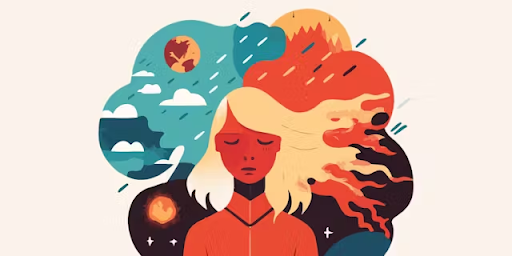
As technology improves, industries advance, and population grows, the issue of climate change becomes more real and urgent. We see more wildfires on the news, watch more sad videos of polar bears’ habitats melting, and walk through more communities suffocated by air pollution. People young and old alike feel fear, sadness, worry, and helplessness as we move towards what can feel like an inevitable climate meltdown. This upsetting and widespread feeling is known as eco-anxiety, eco-grief, climate doom, or climate anxiety.
Effects of Climate Anxiety
Climate anxiety can cause intrusive thoughts and feelings that make daily tasks, work, and relationships difficult for many. People can have anxiety/panic attacks, trouble falling asleep which in turn causes fatigue, and physically, some find themselves short of breath and their hearts racing when experiencing obsessive thoughts and particularly intense anxious episodes. Symptoms such as the ones I have described above are what make being climate anxious different that simply being worried about climate. I would assume that almost everybody is at least a little worried about the future of Earth’s climate and what that means for its inhabitants – however, less people experience concern so overwhelming and disruptive that they are unable to go about their day-to-day lives as normal.
A concern that is shared between many young people who experience climate anxiety is the reluctance to have children. Some worry for their descendants’ futures in a deteriorating world and do not want to see them suffer from the effects of climate change. Others see it as not wanting to add to the already huge issue of overpopulation and worsen the planet’s condition. Both perspectives are intertwined, understandable, and very valid.
How to Cope with Climate Anxiety
Climate anxiety often feels helpless and depressing. However, there are easy ways to combat these negative feelings and take small steps towards bettering both the climate and your headspace.
Focus on What is in Your Control: Climate change is a worldwide issue. No one can single-handedly resolve it, but everyone can do small individual actions that combat climate change, and together, that will make a big difference. Try:
Participating in environment-benefitting events such as beach cleanups.
Reaching out to leaders (from anywhere from a local mayor to a president) to encourage them to act.
Being aware of your personal energy use and consumerism of products and food alike.
Sustainable actions like recycling and composting (check out my blog post on composting for more!)
Engaging in meaningful conversations about climate change.
Supporting organizations or causes that are working to combat climate change.
Limit Media Consumption: While staying informed is important, constant exposure to negative news can be overwhelming and make anxious feelings worse. Maintaining a healthy balance and taking breaks from news and social media can help your emotional well-being. If you find yourself becoming very upset by something you see, walk away and focus on something more positive.
Build Community and Socialize: Connecting with like-minded individuals and other people who experience climate anxiety can provide emotional support and a sense of unity. Remember that collective action is the key to addressing climate change – you are not alone! Additionally, simply spending time with family and friends can help lighten your mood greatly.
Practice Self-Care: When your climate anxiety is really bringing you down, take time to unwind and care for yourself. Try:
Practicing mindfulness with activities like yoga and meditation.
Engaging in your hobbies. Get lost in a book or express yourself through art!
Seeking support. Therapists can be very understanding and helpful. However, remember that you don’t always have to go to a professional for support. A loved one can bring you just as much, if not more comfort.
Finding Hope
Although it can be a tough burden to bear, climate anxiety is also positive in ways. Knowing so many people feel strongly about the future of our planet can give us hope that solutions will be developed and crises averted. Growing global movements for climate action, advancements in sustainable technology, renewable energy, and the pure resilience of life help us find comfort. It is hopeful to think of Earth’s climate crisis as an opportunity for innovation, collaboration, and reimagination. By embracing this challenge, we can and will achieve a healthier, cleaner world. We all can take individual steps to combat climate change, and together, we can work towards a more sustainable future.
Sources:
Climate One Podcast


